
Sweetbay Magnolia
Researched by Jenna Levner
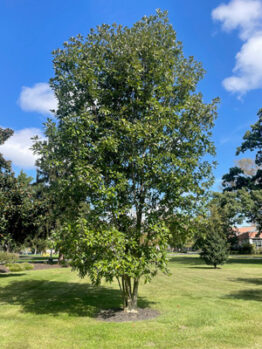 Species: Magnolia virginiana
Common name: Sweet Bay Magnolia, Swamp Magnolia, Laurel Magnolia, Castorwood, Beaver Tree
Family: Magnoliaceae
Clade: Angiosperms
Coordinates: 39°42’19”, 75°7’16”

A tag using this number is placed near the tree.
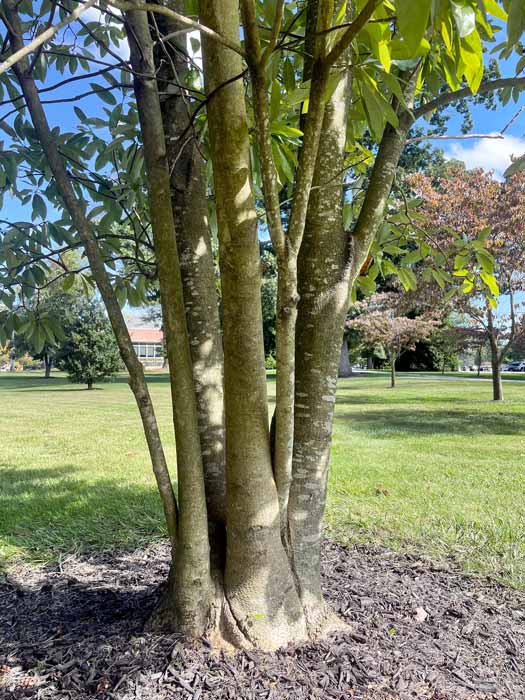
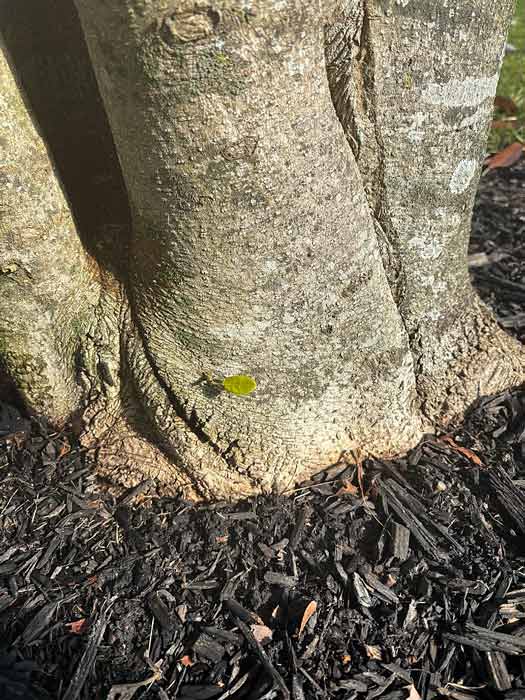
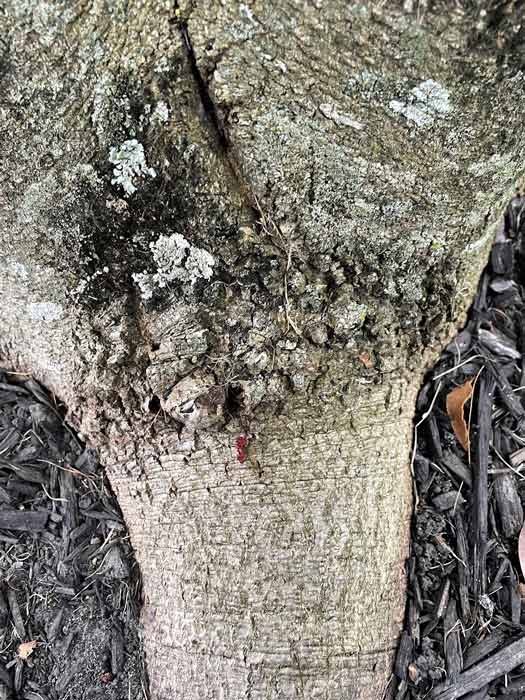
The beautiful Sweetbay magnolia is derived from the ancient family Magnoliaceae. It is native to North America and adapted over millions of years to the acidic soil and seasonal variations of the coastal plains. Historically important, Sweetbays were valued in traditional medicine by the Rappahannock, indigenous people of the Virginia region. As Sweetbays age, their light brown bark fades to gray. The Rappahannock boiled the bark and used the tea-like reduction to treat fevers. Cultivation of Sweetbays as ornamentals began in the 1680s in European gardens.
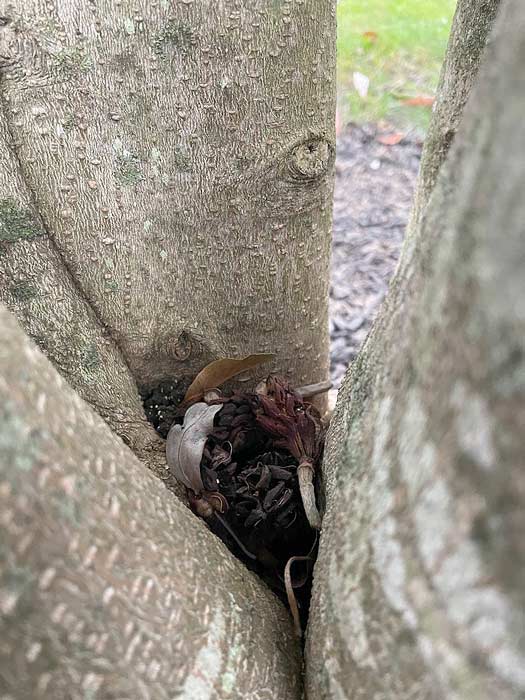
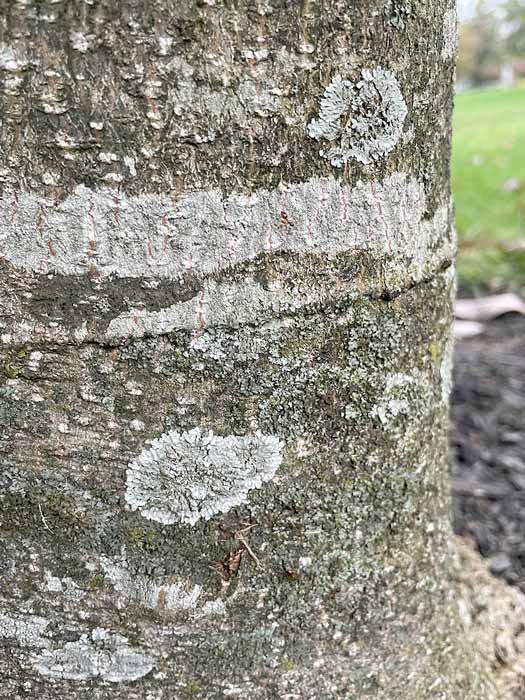
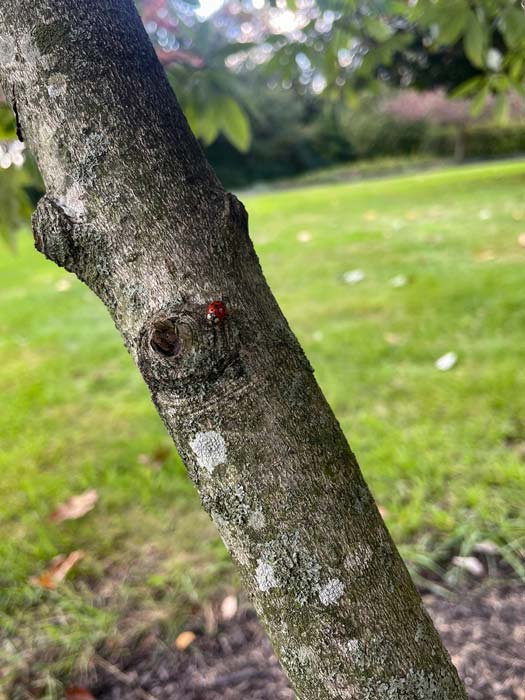
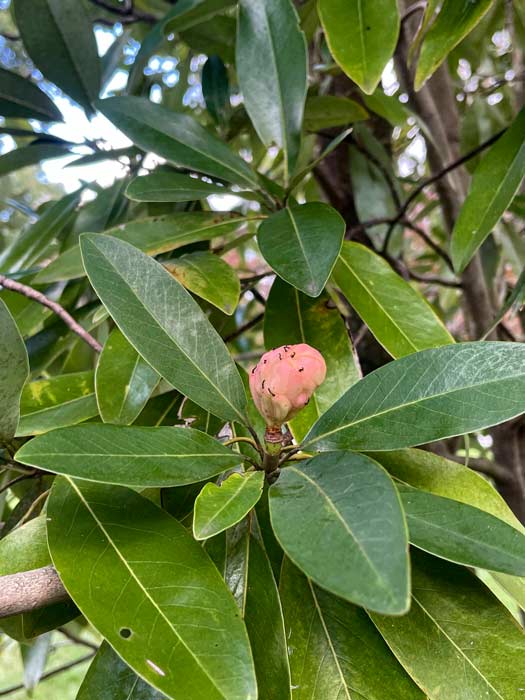
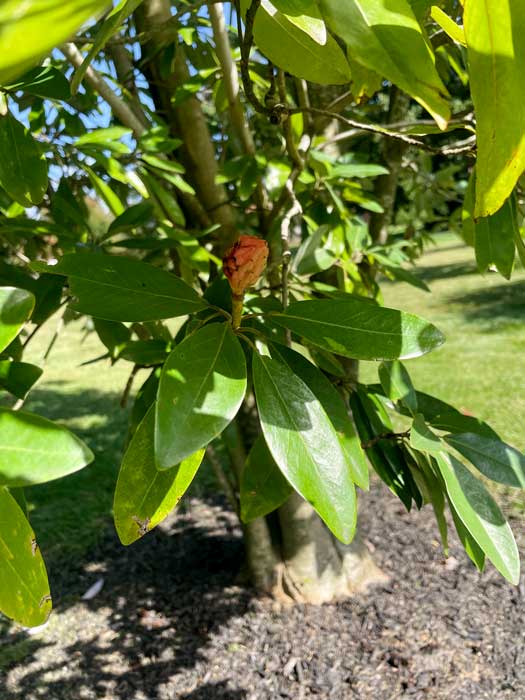
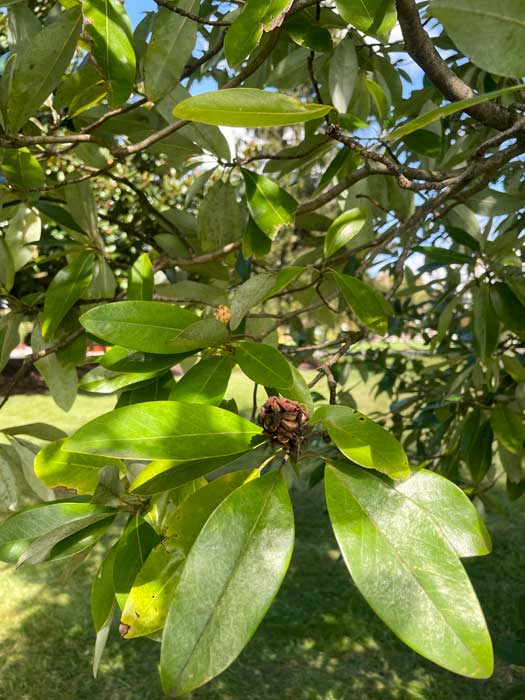
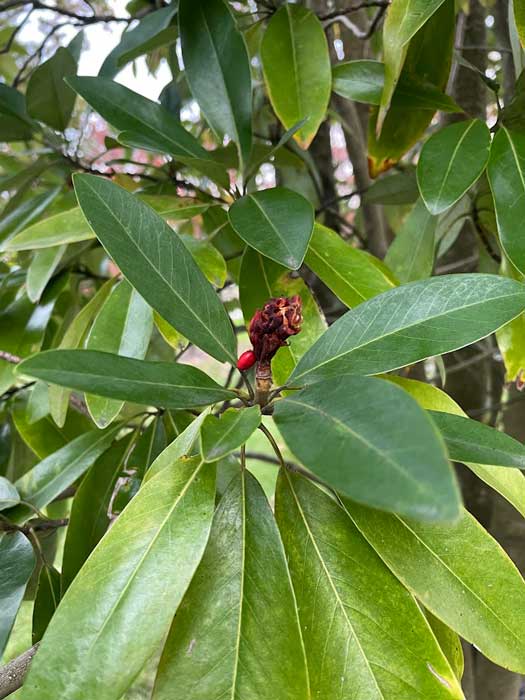
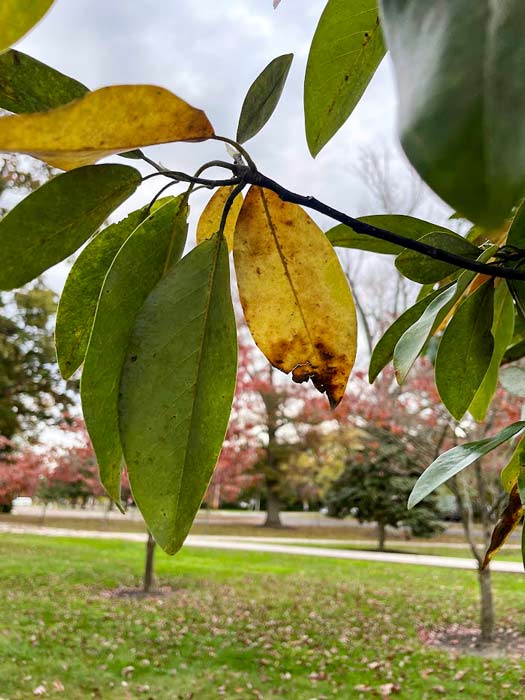
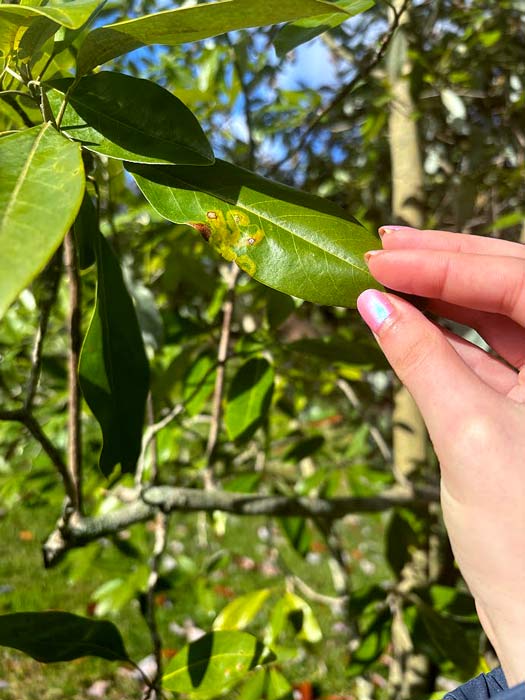
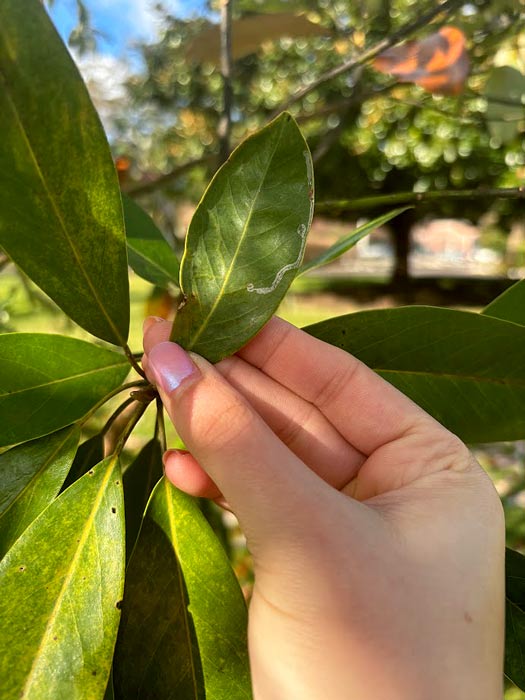
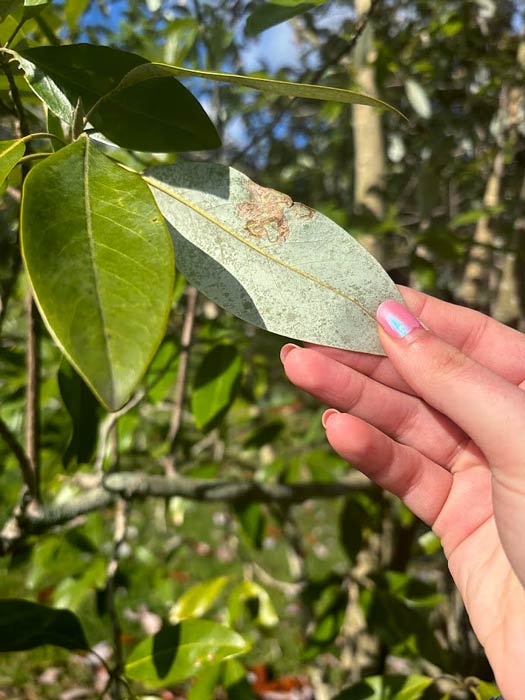
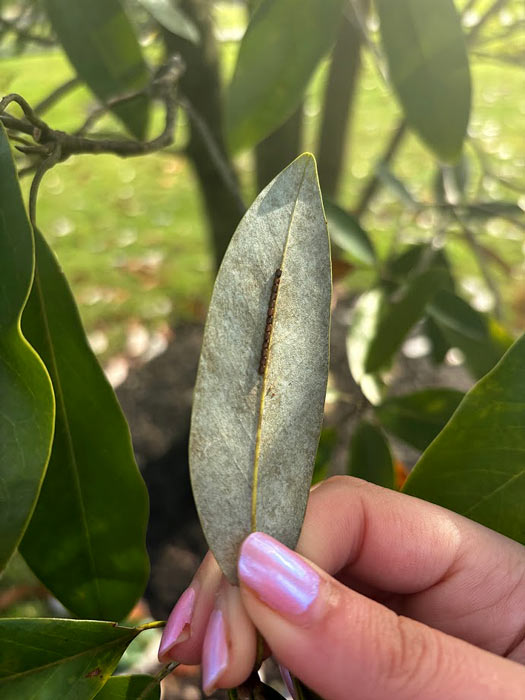
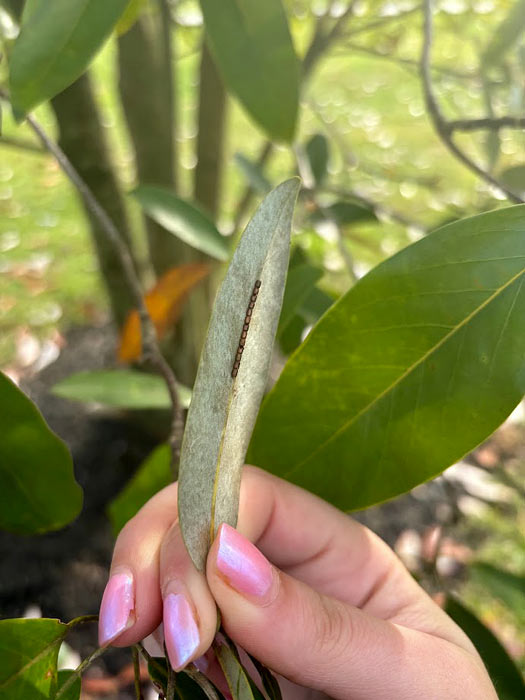
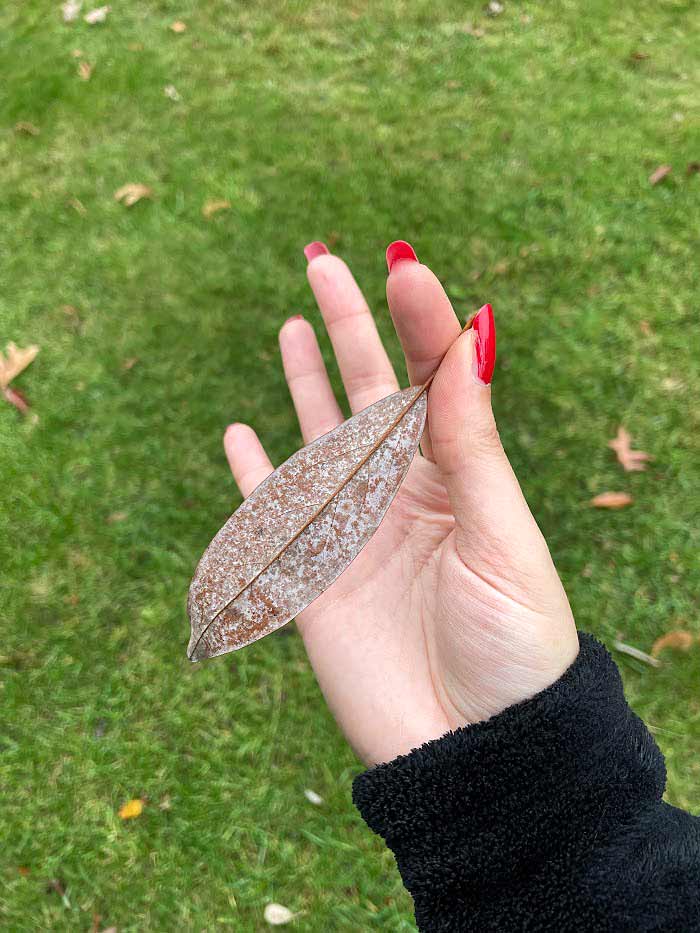
Sweetbay magnolia produces glossy green leaves with an elliptical to oblong shape. They grow alternating along the branches and possess a silvery underside. The leaves are semi-evergreen, meaning they remain green and on the trees longer than those of most deciduous trees. Beneath the canopy, the trees often have a patchy, gray bark that results from lichen, a symbiote made of a photosynthetic partner (cyanobacteria or algae) and a fungal partner. The lichen grows on the Sweetbay’s trunk and branches but does not harm the tree.



Campus Species Map
Researcher’s Biography

Jenna Levner
Jenna Levner earned a Biological Science degree in 2024.
Suggested Citation:
Levner, Jenna. (2023, Dec). Sweetbay Magnolia. Rowan University Arboretum. https://arboretum.rowan.edu/trees/sweetbay-magnolia/
Questions to Explore
- What ecological advantages do Sweetbay Magnolia have in their native range?
- What are the disadvantages of planting Sweetbays outside of their native range?
- Besides ornamental beauty, what are the benefits of planting Sweetbay in non-native areas?
References
Bernheim Arboretum and Research Forest. (2017, June 1). Sweetbay Magnolia. Bernheim Arboretum and Research Forest. | Link
Gilman, E. F., Watson, D. G., Klein, R. W., Koeser, A. K., Hilbert, D. R., &McClean, D. C. (2018, December). Magnolia virginiana: Sweetbay Magnolia. Enh-543/ST384: Magnolia Virginiana: Sweetbay Magnolia. | Link
Hull, J. (n.d.). Glen Arboretum.
| Link
Johnson, K.S., Scriber, J.M. & Nair, M. (1996). Phenylpropenoid phenolics in sweetbay magnolia as chemical determinants of host use in saturniid silkmoths (Callosamia). Journal of Chemical Ecology 22, 1955–1969. | Link
North Carolina State Univesity. (2020). Magnolia virginiana. Magnolia virginiana (Beaver Tree, Castorwood, Small Laurel Magnolia, Small Magnolia, Swamp Magnolia, Swamp Sassafras, Sweetbay, Sweet Bay, Sweet Bay Magnolia, Sweetbay Magnolia, Sweet Magnolia, White Laurel) | North Carolina Extension Gardener Plant Toolbox. | Link
Priester, D. (n.d.). Sweetbay. Magnolia virginiana L. | Link
The Morton Arboretum. (2022, April 26). Sweetbay Magnolia. The Morton Arboretum. | Link
Zale, P. J., Struve, D. K., Jourdan, P., & Francis, D. M. (2011). Rapid Assessment of Genetic Variation for Morphological Traits in Sweetbay Magnolia Using a Container Production System. Journal of the American Society for Horticultural Science, 136(2), 135-144. | Link