
Sweetgum
Researched by Joanna Guldin
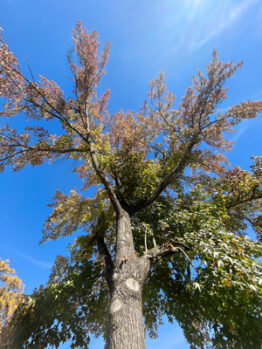 Species: Liquidambar styraciflua
Common name: Sweetgum, American Sweetgum, Red Gum, White Gum, Star-leaved Gum, Starleaf Gum, Alligator Tree, Satin Walnut, Bilsted
Family: Altingiaceae
Clade: Angiosperms
Coordinates: 39.70714333, -75.11616227

A tag using this number is placed near the tree.
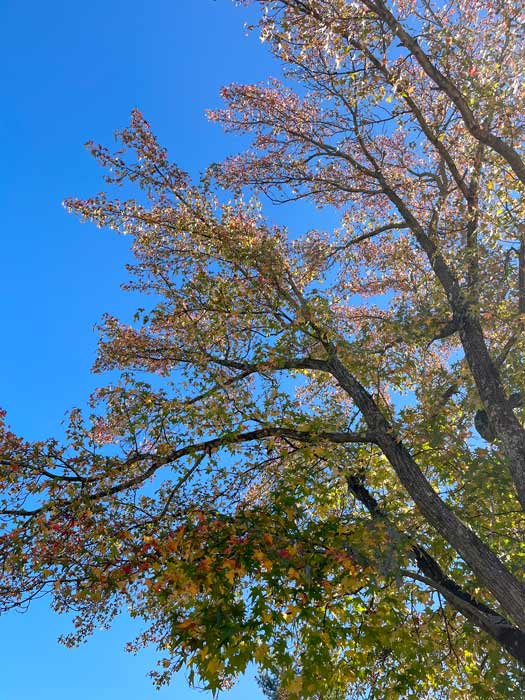
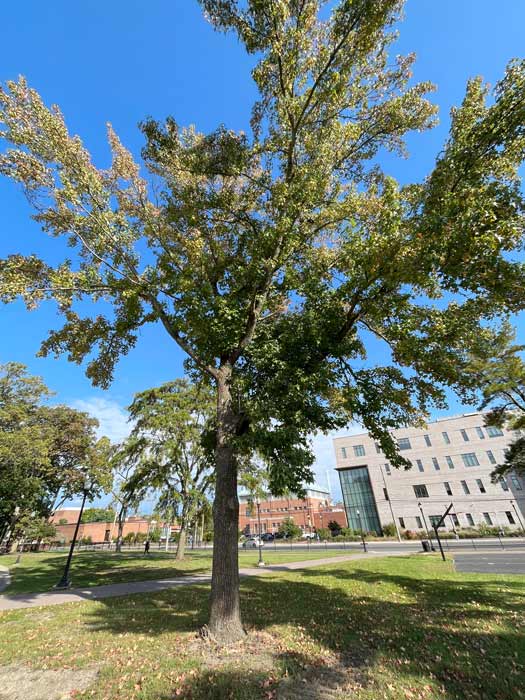
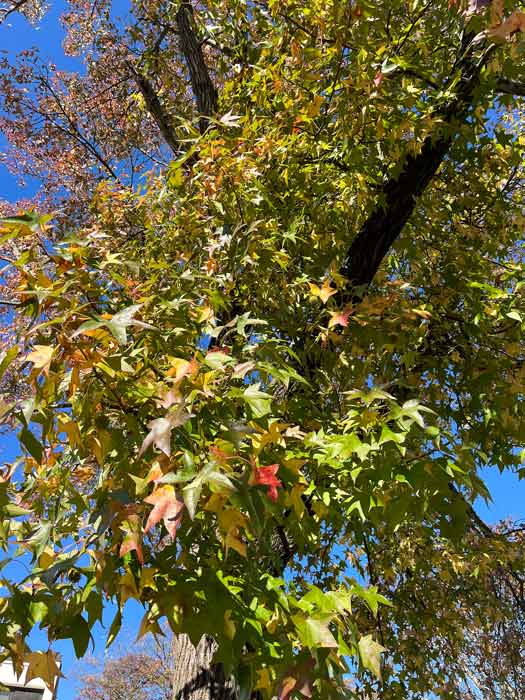
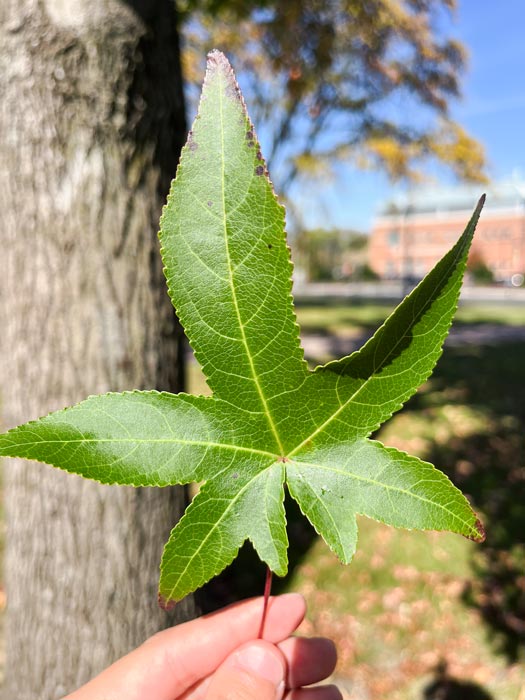
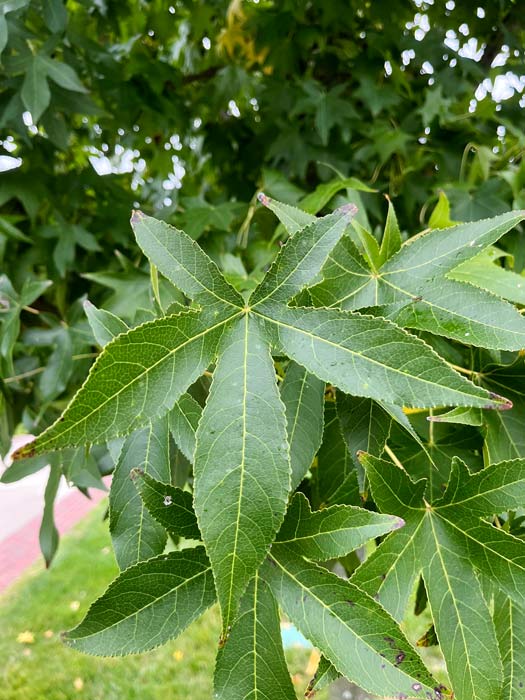
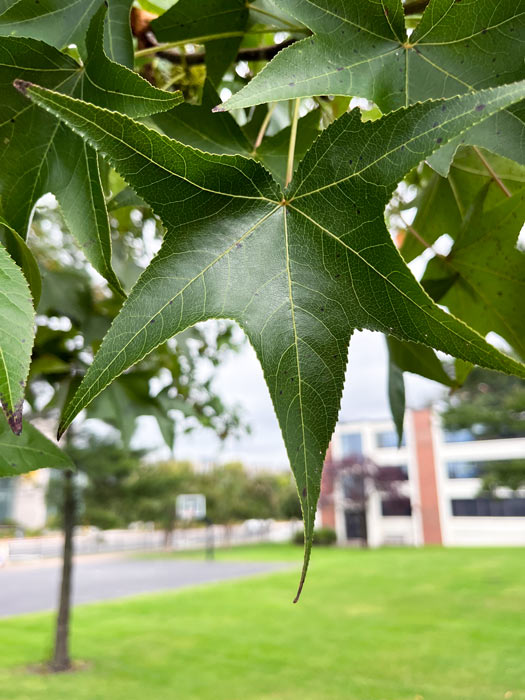
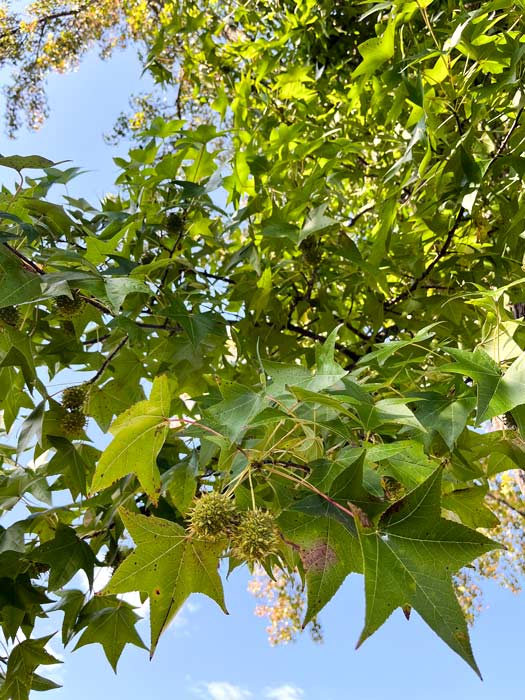
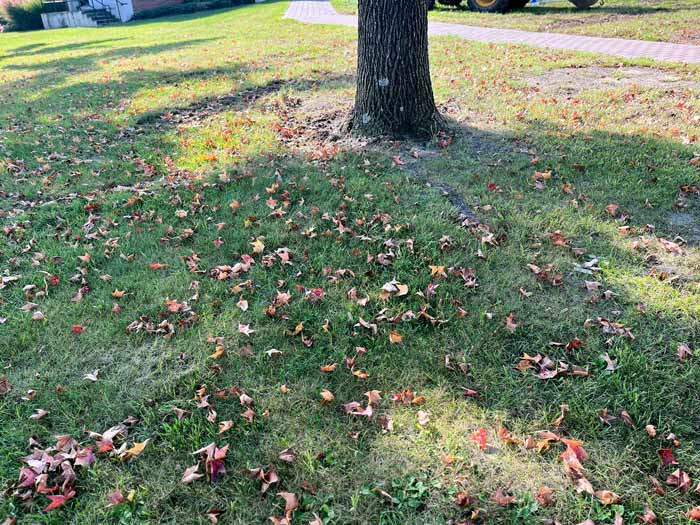
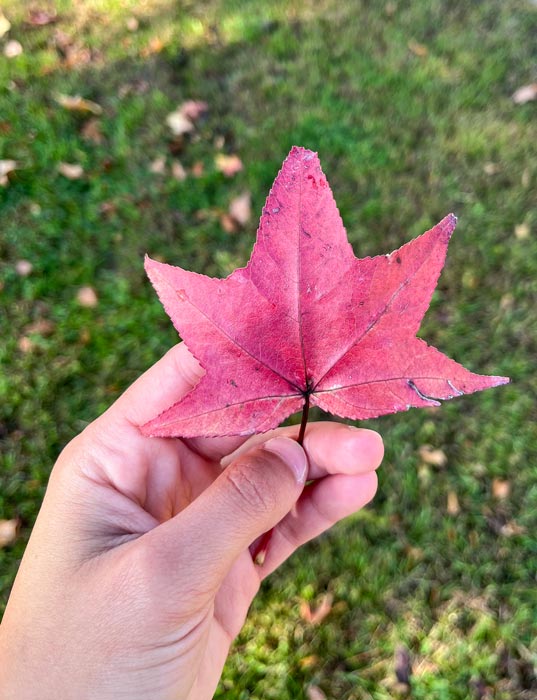
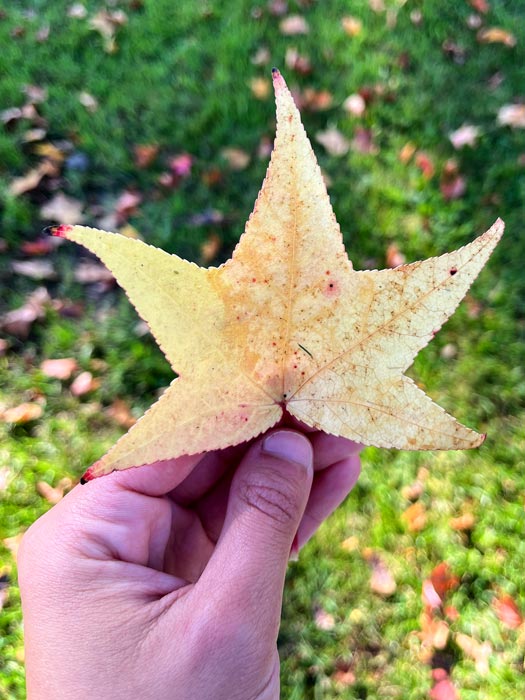
Sweetgum, named for the resinous sap that early American pioneers and Native Americans chewed like gum, goes by the scientific name Liquidambar styraciflua, which translates to liquid amber and “flowing with resin.” A large tree, sweetgum, can live to 400 years old and grow as tall as 75 feet. It grows in deep, moist soil under full sun to partial shade, tolerates moderate drought, and withstands a wide range of temperatures, from below freezing to 100?. The species is native to the eastern and southern United States and is present across the Glassboro campus.
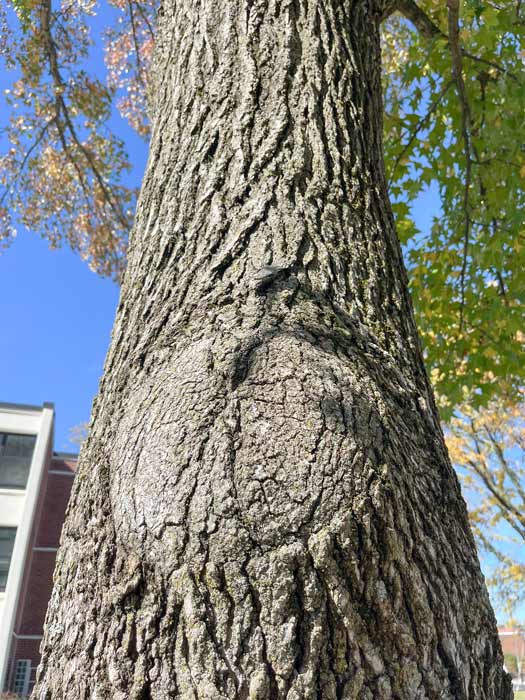
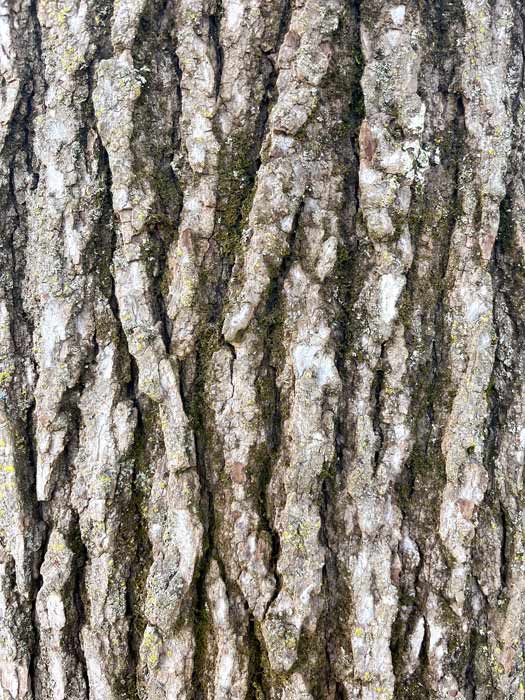
Mature sweetgum has deeply furrowed gray and brown bark, often called “alligator wood” for its resemblance to alligator skin. Behind the bark, the tree produces a resinous sap called storax that helps the tree seal wounds when the bark is damaged and deters burrowing insects and herbivores. The storax is also beneficial for humans, who have used it medicinally for centuries to treat ailments like cuts, sores, and bruises. It also hosts the luna moth and provides an important food source for native birds.




Campus Species Map
Researcher’s Biography
 Joanna Guldin
 earned a Bachelor of Science in Environmental Science in 2024.
Suggested Citation:
Guldin, Joanna. (2023, Dec). Sweetgum. Rowan University Arboretum. https://arboretum.rowan.edu/trees/sweetgum/
Questions to Explore
- If you were to look for Sweetgum in a different location, what characteristics would you use to identify it?
- Why do Sweetgum leaves change their shape as the seasons change?
- Does the storax extracted from Liquidambar styraciflua have other medicinal properties?
- How does Liquidambar styraciflua impact the local ecosystem, particularly concerning the Luna Moth and native bird populations?
- How does the presence of an invasive species, like the Callery Pear tree, affect the growth and health of native trees like the Sweetgum?
- What countries are Liquidambar styraciflua native?
References
Gilman, E. F., Watson, D. G., Klein, R. W., Koeser, A. K., Hilbert, D. R., & McLean, D. C. (2021, August 19). Liquidambar styraciflua: Sweetgum. University of Florida Institute of Food and Agricultural Sciences Extension. | Link
Lingbeck, J. M., O’Bryan, C. A., Martin, E. M., Adams, J. P., & Crandall, P. G. (2015, May). Sweetgum: An ancient source of beneficial compounds with modern benefits. Pharmacognosy Reviews, 9(17), 1–11. | Link
Missouri Department of Conservation. (n.d.). Sweet Gum.
| Link
Nelson, C. (2017, December 4). December Plant Profile: Liquidambar styraciflua. University Of Washington Botanic Gardens. | Link
Yale University. (2016, March 3). American Sweetgum. Yale Nature Walk. | Link