
Southern Magnolia
Researched by Adrianna Rappleye
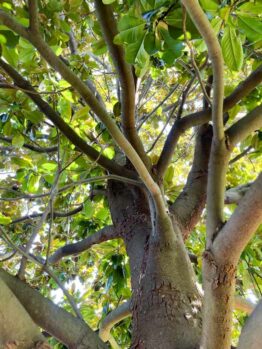 Species: Magnolia grandiflora
Common name: Southern Magnolia, Evergreen Magnolia, Bull-Bay, Big-Laurel, Large-Flower Magnolia
Family: Magnoliaceae
Clade: Angiosperm
Coordinates: 39.70545861, -75.12131714

A tag using this number is placed near the tree.
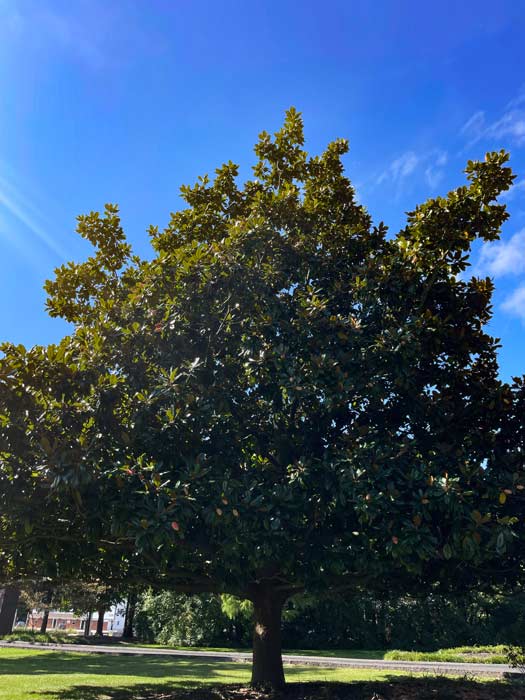
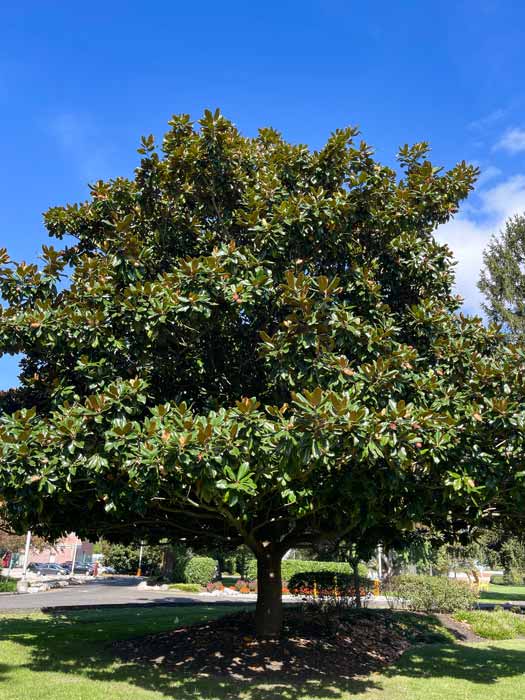
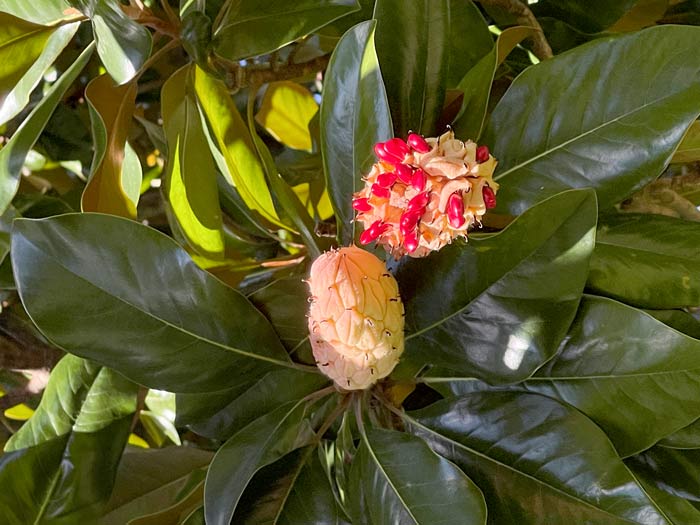
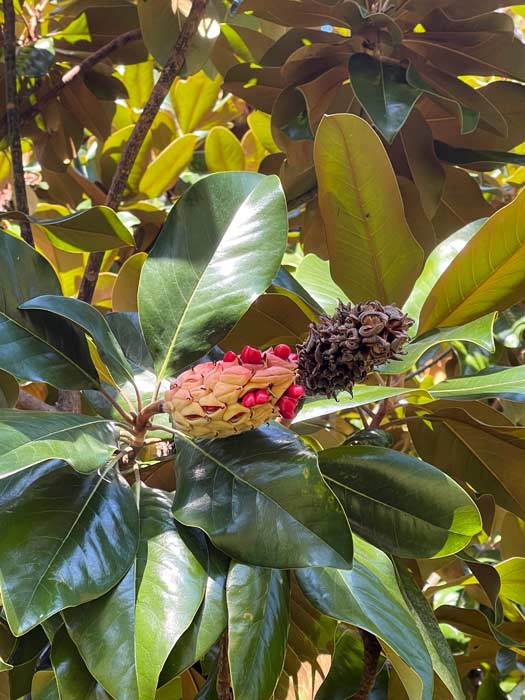
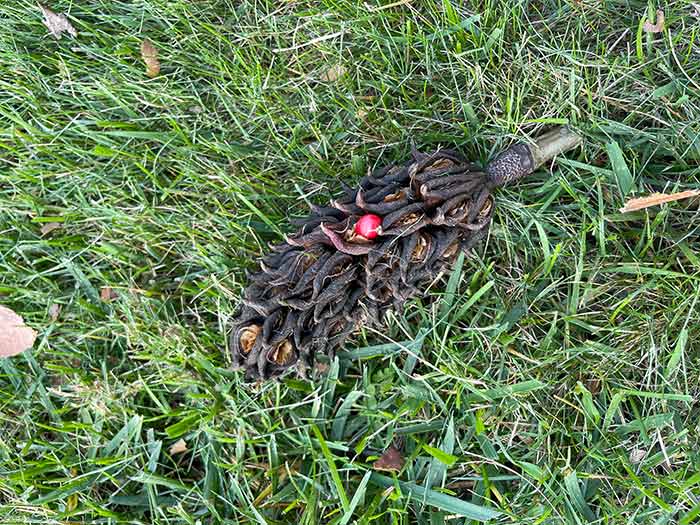
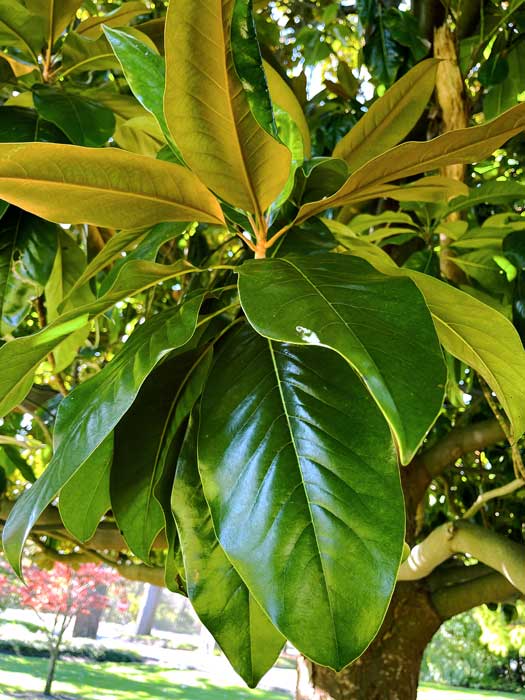
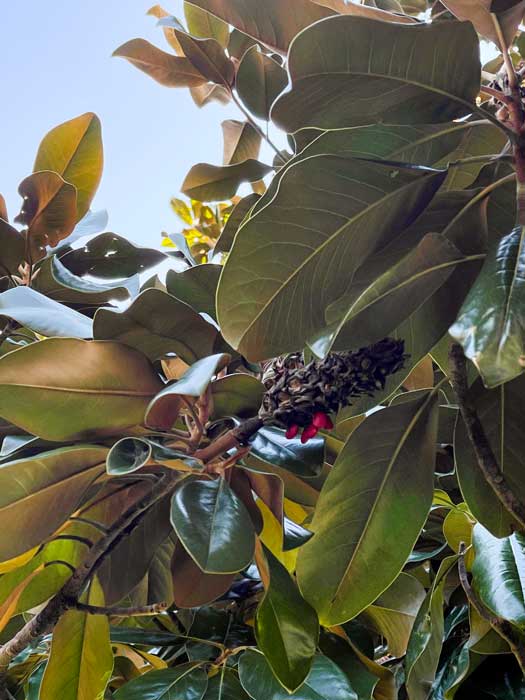
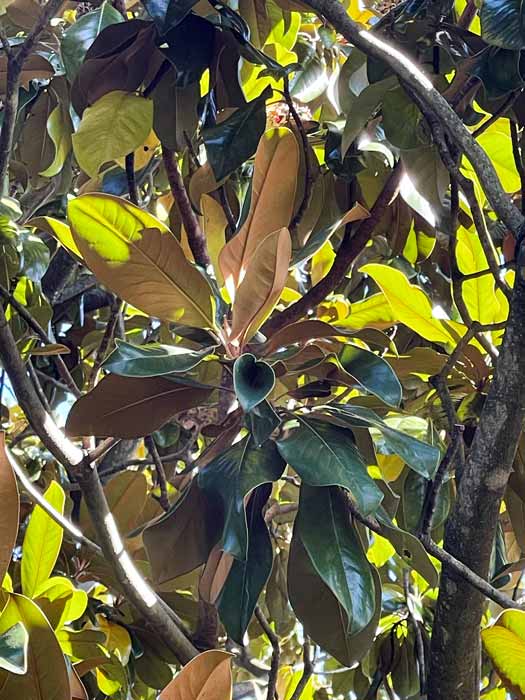
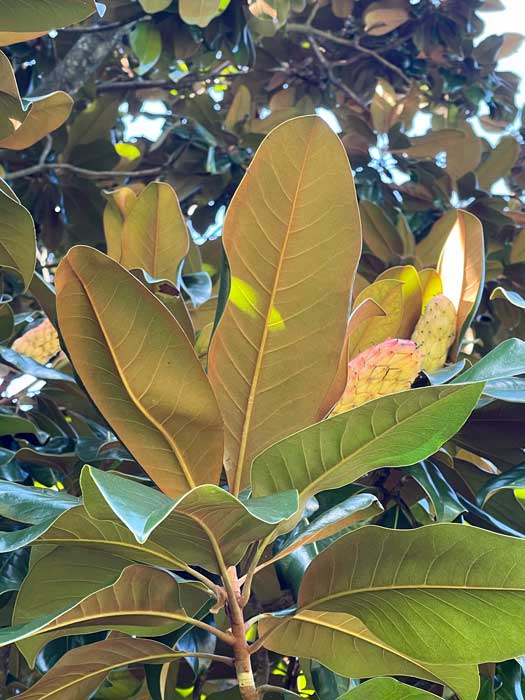
The southern magnolia, Magnolia grandiflora, is native from eastern North Carolina to the southern half of Georgia and southeast Texas. It is most prevalent in Louisiana, Mississippi, and Texas, and it is the state tree and flower of Mississippi and Louisiana. The southern magnolia grows best in warm temperate to semi-tropical climates, preferring rich, moist soils along streams and near swamps. The tree is also well adjusted to fires because of a cork layer beneath the bark that doesn’t burn easily and is somewhat heat resistant. While Rowan’s campus is not necessarily the ideal environment for the southern magnolia, the tree is highly adaptable to different climates and soil types and flourishes in New Jersey.
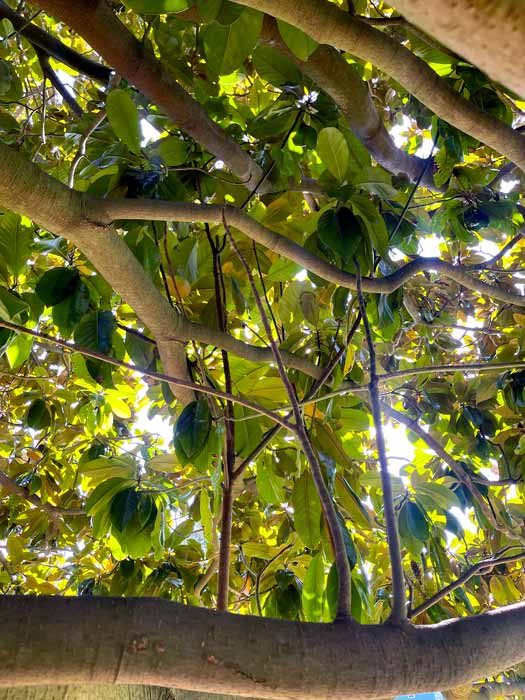
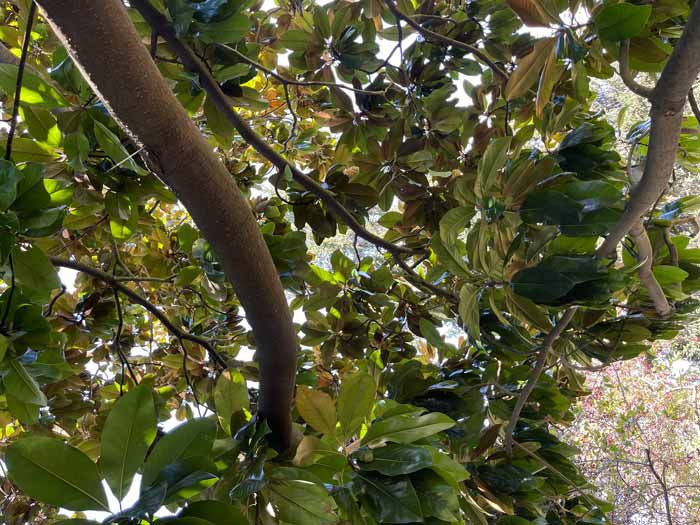
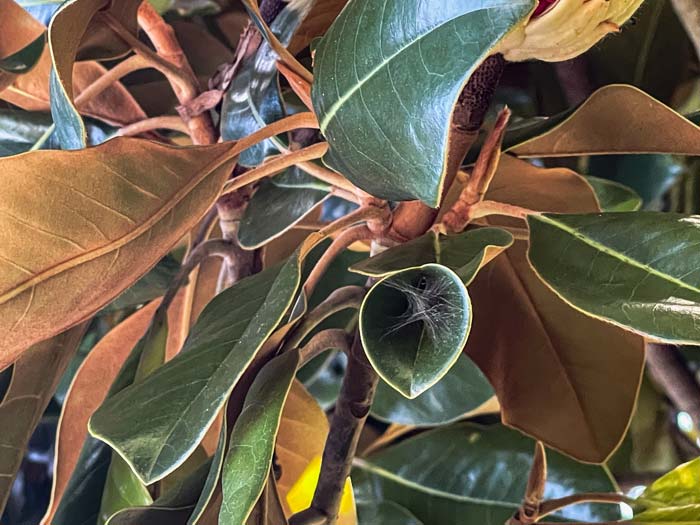
With a gray/brown straight trunk, the bark has small lenticels and tiny openings allowing gas exchange. The trunk of the southern magnolia is a timber wood often used for quality furniture.






Campus Species Map
Researcher’s Biography

Adrianna Rappleye
Adrianna Rappleye earned a bachelor’s degree in 2024.
Suggested Citation:
Rappleye, Adrianna. (2023, Dec). Southern Magnolia. Rowan University Arboretum. https://arboretum.rowan.edu/trees/southern-magnolia/
Questions to Explore
- How has Southern Magnolia been used medicinally?
- What are some of the potential problems with Southern Magnolia?
- What is the ecological importance of the Southern Magnolia?
- What does the Southern Magnolia symbolize and why?
References
Coladonato M. (1991). Magnolia grandiflora. U.S. Department of Agriculture, Forest Service. | Link
Coraor J, Shah H, and Panchagnula S. (2016). Southern Magnolia. Yale Nature Walk. | Link
Friedman W. (2015). Seed dispersal in a magnolia: Before and after. Harvard University Arnold Arboretum. | Link
In Defense of Plants Staff. (2027). Mighty magnolias. In Defense of Plants. | Link
Jackson, J.A. (2018). Southern magnolia. The Mississippi Encyclopedia. | Link
Knox G, Klingeman W, Paret M, and Fulcher A. (2012). Management of pests, plant diseases and abiotic disorder of Magnolia species in the southeastern United States: A review. Journal of Environmental Horticulture, 30(4): 222-234. | Link
Othman, S. (2017). Southern magnolia: A southern charm. Arbor Day Foundation. | Link
Outcalt K. (n.d.). Magnolia grandiflora L. Southern magnolia. United States Department of Agriculture. | Link
Schuhly W, Khan I, and Fischer N. (2011). The ethnomedicinal uses of Magnoliaceae from the southeastern United States as leads in drug discovery. Pharmaceutical Biology. 39: 63-69. | Link
Sheahan, C.M. (2015). Plant guide for southern magnolia (Magnolia grandiflora). USDA- Natural Resources Conservation Service, Cape May Plant Materials Center. | Link
Texas Wildflower Center Staff. (2023). Magnolia grandiflora. Lady Bird Johnson Wildflower Center. | Link